Imagine you’re out eating lunch with your friends. All of a sudden you notice a stinging sensation in your mouth as you chew. You may think it’s nothing in the moment, but over the next few days, the tooth pain continues to persist. With the pain only getting worse, perhaps you have a cavity caused by tooth decay. And if it’s really large and considered ‘non-restorable’, you may need to get that tooth pulled.
What is a tooth pull?
When a tooth is pulled, also known as a dental extraction, it’s carefully removed from its socket in the bone. This is done with teeth that are too unhealthy to stay in your mouth. If left in place, an unhealthy tooth could spread the problem to the surrounding teeth.
What are the signs a tooth needs to be pulled?
If your tooth needs to be extracted out of your mouth, there are a couple key symptoms you may notice. If you experience any of the ones listed below, it’s important to contact a dentist immediately.
- Severe tooth pain – As already mentioned, severe tooth pain throughout day to day life, is a huge sign you may have an infected tooth. This can happen because plaque has built up and bacteria has gotten into your tooth’s dentine layer, causing a cavity. It can also be because there is a tooth crack that extends beyond the gum line, creating pain.
- Infections – Infections create issues that result in your tooth needing to be pulled. You may notice sensitivity when you drink or eat hot or cold items, pain radiating towards your ear, jawbone, or neck, a high fever coming on, as well as swelling in multiple areas such as the face, cheek, neck or lymph nodes. This is showing your body that your tooth infection is spreading to other areas, alarming it and telling it something is off.
- Crowded teeth – Are your wisdom teeth growing in? Sometimes when a new tooth right in the back of your mouth can’t emerge properly due to a lack of space, it can cause pain, misalignment, swelling or an infection.
- Gum disease – Gum disease is typically caused by poor oral hygiene, smoking, and genetics. It’s an infection of the tissue that surrounds and supports your teeth. Plaque builds up and causes swelling, bleeding gums, and gum recission.
These are the 4 key symptoms to watch out for. If a dentist spots them early on, they can give precautionary steps to take, but if they go untreated for too long, a tooth extraction is often the only solution.
How is a tooth extracted?
There are two ways a tooth extraction can be done. There’s the simple tooth pull, where the tooth is wiggled and loosened by a dentist with an instrument called an elevator. The dental forceps take hold of the tooth’s crown and remove it from the socket. Then, there’s the surgical procedure where an incision is made in the gums to access the tooth and it’s removed from there.
What happens during a tooth pulling procedure?
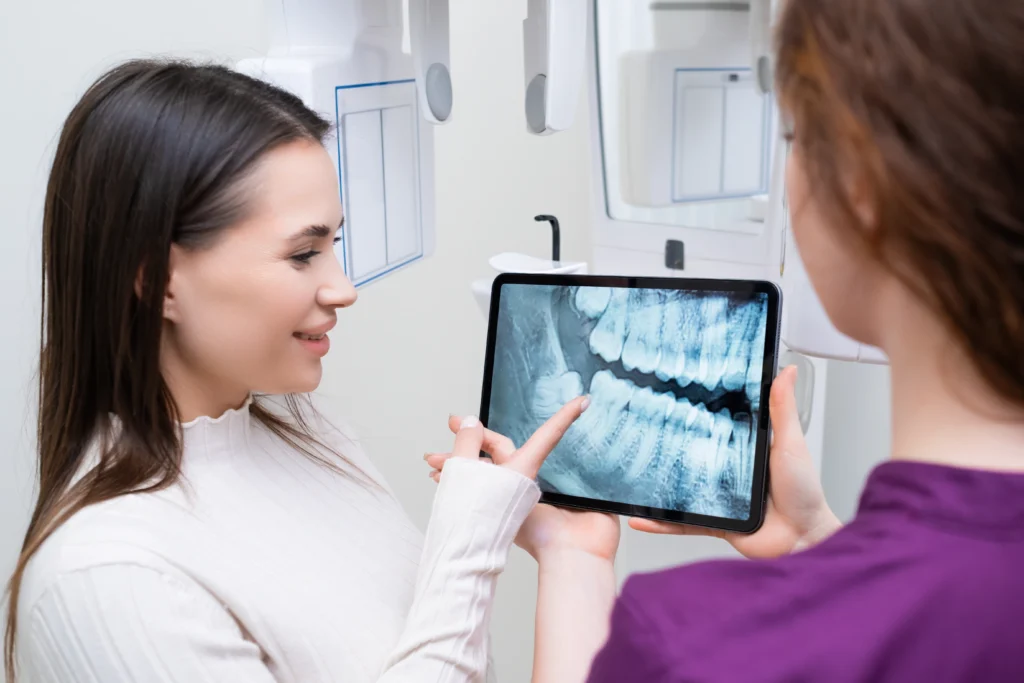
Before conducting either of these procedures, a dentist will have you come in for an initial appointment where they will x-ray the position of your tooth as well as discuss medical history.
On your second appointment, the tooth pulling will occur. A dentist will provide you several sedation options so it’s a pain free experience. Here at Oakleigh Dental, we offer 4 options:
- Mildest: Local anaesthesia, which numbs the area around the tooth but you’re fully awake.
- Moderate: Nitrous oxide , inhaled through a mask, or more commonly nowadays, a “green whistle” of methoxyflurane, creating relaxation and reducing anxiety.
- Stronger: IV sedation, administered intravenously, induces a deeper state of sedation.
- Strongest: General anaesthesia, which renders you completely unconscious for the procedure.
Once your choice of sedation is decided, the tooth pulling procedure will begin. It varies depending on the severity of the tooth and how damaged it is, but in general the dentist will start by loosening it and then finish by pulling or lifting it out.
Once your tooth has been pulled, it’s vital you rest for a smooth recovery. You may notice a bit of face swelling or pain from where your tooth used to be. Over-the-counter pain relievers and ice packs can help alleviate it.
As you rest, it’s best to stick to soft foods so no sharp or hard foods go into where the wound is. Avoid hot foods and drink, alcohol, smoking and vaping. To keep it clean, rinse your mouth with salt water and try not to brush too hard in the wound when brushing your teeth. Stay away from any strenuous activities, like active sports or travelling, to prevent bleeding or any blood clots from forming.
Your dentist may recommend a follow-up appointment to make sure the wound is properly healing.
What’s the cost of a tooth extraction?
Sometimes tooth pulling procedures come out of nowhere, so it’s important to be aware of pricing so you don’t walk in blind.
The price will depend on the pulling procedure, the tooth location, the complexity of the situation, as well as the type of anesthesia picked. Some private health insurances may cover some or all of the costs, so it’s best you consult with them.
Here are the prices we offer:
- Simple tooth pull: Around $250- $385
- Surgical tooth pull: Usually between $400 to $550
Connect with us to learn more about specific prices around your situation.

What happens after the tooth is pulled?
Once a tooth extraction occurs, there are a couple tooth replacement options available.
- A dental implant: Where a titanium post is placed in your jawbone and a fake replacement tooth, that matches the colour and shape of existing teeth, is screwed on.
- A dental bridge: Where artificial teeth are anchored in place of multiple missing teeth using crowns on the adjacent natural teeth.
- Partial dentures: Where one or more missing teeth are replaced with false teeth attached to a supportive base.
It’s best to consult with your dentist about which replacement option is best for your budget and situation.
Restore your smile today
And there you have it—the signs that a tooth may need to be extracted and what comes next. It’s important to stay informed so that if you experience sudden, intense tooth pain, you know how to respond. Ignoring it will only make things worse. So, keep up with your brushing, clear away plaque build up, and maintain a healthy smile each and every day!
If you are looking for dental assistance or have any further questions about tooth extraction, our expert team here at Oakleigh Dental is always open to help. Book a consultation and start your journey with us today!