Sleep dentistry is a gentler approach to treatment that eases dental anxieties and phobias. It helps patients feel relaxed and comfortable during procedures that can often feel overwhelming.
For example, imagine needing a tooth extraction. For some, it’s a simple appointment — but for others, it can feel intimidating and even frightening. Sleep dentistry helps take that fear out of the experience.
What is sleep dentistry?
We use sleep dentistry, also known as sedation dentistry, during more complex dental procedures to help reduce stress and discomfort. Administered by trained sedation specialists, it offers a milder alternative to the general anaesthetic used in hospitals, which puts patients into full unconsciousness. With sleep dentistry, patients experience short-term forgetfulness and temporary unconsciousness instead.
Read more in our detailed explainer.
Who needs sedation dentistry?
Sedation dentistry can benefit just about anyone. No matter your age, it’s a safe, healthy, and affordable option for making dental visits easier. It’s especially helpful for people who experience:
- Dental anxiety or fear of the dentist
- Sensitivity to dental tools in the mouth
- Fear of needles
- Difficulty controlling movements
- Feelings of claustrophobia
- Extreme tooth sensitivity
Sedation helps ease worries, calm nerves, and make appointments far more comfortable. However, it’s recommended that pregnant women avoid sedation dentistry due to potential risks to foetal development.
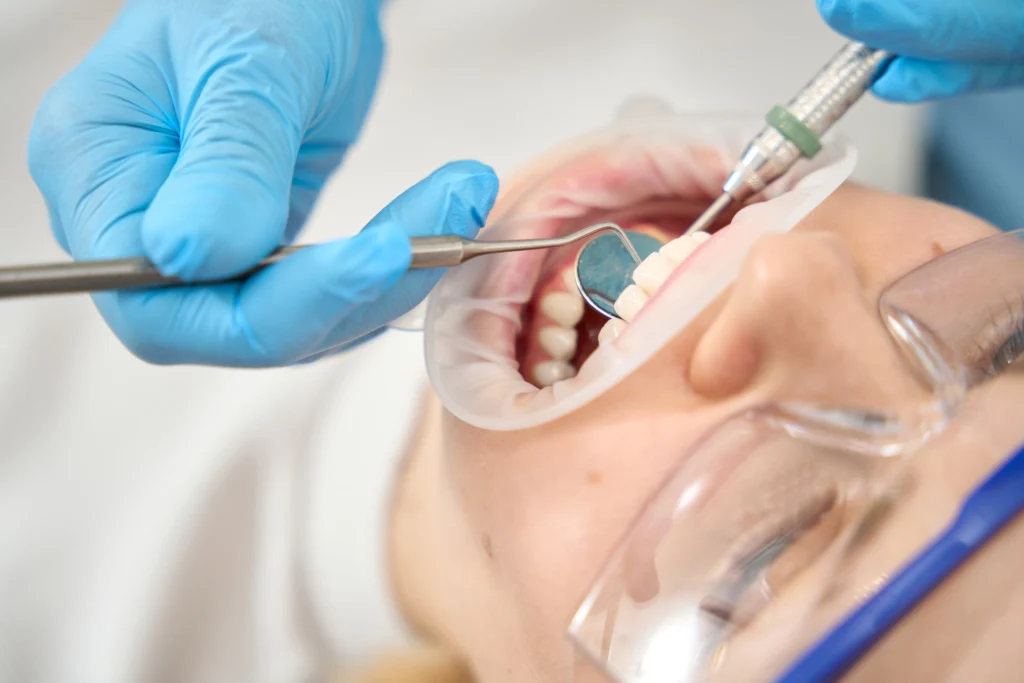
What are the different types of sleep dentistry?
There are three main types of sleep dentistry depending on your needs and the length of your procedure. In some circumstances, dentists need a special certification to perform certain advanced forms of sedation. Let’s look at the most common types.
Level 1 of Sedation Dentistry: Nitrous Oxide
For patients seeking the lowest level of sedation, nitrous oxide is a popular choice. Commonly known as “laughing gas,” it’s an effective option that numbs pain while keeping you awake and aware. During the procedure, you’ll inhale nitrous oxide through a mask or nosepiece. Within 3-5 minutes, you’ll start to feel its calming effects.
The dentist controls the level of sedation, adjusting the dosage as needed throughout the procedure. Once treatment is complete, pure oxygen is administered to flush the nitrous oxide out of your system. It exits quickly, leaving you feeling refreshed and ready to go.
Recovery is quick, typically taking 15-30 minutes, and you can easily return to normal activities right after.
Level 2 of Sedation Dentistry: Oral Conscious Sedation
Oral conscious sedation is one level higher than nitrous oxide. Rather than breathing it in, dentists give you a sedative medication, usually in pill form. Medicines range from triazolam, zaleplon, and lorazepam, to liquid sedations such as midazolam.
It’s given about 30 – 60 minutes before a procedure begins. From there, you’ll start to feel drowsy. While this sedation method will temporarily slow your motor skills, it doesn’t put you to sleep. It keeps you awake, relaxed, and responsive, while significantly reducing anxiety and discomfort.
Once the procedure is complete, you will feel groggy and need a family member or friend to drive you home. But within 6 hours of the appointment, the oral sedation will start to wear off and you’ll be good to return back to your regular activities.
Level 3 of Sedation Dentistry: Intravenous (IV) Sedation
IV sedation is the deepest form of conscious sedation- often called “ twilight sedation”. Delivered directly into your bloodstream through an IV, it’s monitored by the dentist who tracks your heart rate, blood pressure, and oxygen levels. Dosage can be adjusted as needed, and reversal medications are available if necessary. Most patients will fall asleep and have little to no memory of the procedure.
This is ideal for long or complex treatments. Recovery takes about 24 hours, so it’s best to wait a full day before resuming normal activities.
If none of these options suit you or your needs, general anaesthesia, which is used in hospitals, is another option. It immediately puts you fully to sleep and you won’t remember anything afterwards. Patients who prefer this option, need an anaesthetist to administer it and the procedure needs to be done in a hospital.
What happens before, during, and after sedation
Now, you may be wondering what the process is from knowing you have a procedure that needs to get done to actually doing it. Here’s what you can expect:
Before
Once a dental concern has been made aware, you’ll have an initial consultation to discuss sedation options with your dentist. They’ll review your health history and any medications you’re taking, and then make recommendations based on your specific needs. You’ll likely be advised not to eat or drink for at least 6 hours before your appointment.
During
You’ll receive the sedative medication based on your situation. Once you’re comfortable, a local anaesthetic will be applied to numb your teeth and gums. You’ll then start to feel the effects of the sedation.
After
Unless you’ve had nitrous oxide, you’ll need a trusted friend or family member to take you home (rideshare services aren’t recommended). Once home, rest while the sedative wears off. You can eat once you’re feeling up to it — most people wait until the numbness wears off. Start with something light, then have a bigger meal a couple of hours later.
If you experience nausea, vomiting, or a fever, contact your dentist.

5 reasons to consider sleep dentistry
- Eases fears and reduces triggers
If you dread the dentist, sleep dentistry can help ease your worries. It works by calming your mind and reducing triggers like the sounds, smells, and sights that can make you nervous. With sedation, you’ll feel more relaxed and comfortable, making your dental visits much less stressful.
- Gives you a greater peace of mind
If you’re one of those people who can’t stand having things in your mouth, sleep dentistry can help. It reduces the gag reflex and makes dental treatments more bearable, so you can get the care you need without feeling uneasy.
- Offers a quick and painless procedure
A dentist can often work faster when you’re under sedation. Good news is that it can result in quicker treatments. Some medications may also help you forget parts of the procedure, making it feel like it’s over much faster, even for more complex or invasive treatments.
- Gets more done in less time
Sleep dentistry allows multiple procedures to be completed in one visit, saving you time and reducing the need for follow-up appointments. While there are extra costs for sedation specialists, part of this can be claimed through Medicare, making it more affordable.
- Helps you stay consistent with dental visits
Sedation makes it easier for patients with dental anxiety to undergo necessary treatments without fear of multiple visits. By combining procedures into one session, it reduces the number of appointments needed, helping you stay consistent with dental care.
When considering sleep dentistry it’s also crucial to be aware of the possible risks such as:
- Lingering drowsiness
- Dry mouth
- Nausea or vomiting
- Bruising from the IV
It’s important to speak to your dentist about the going under sleep dentistry, so you know exactly what you will be experiencing. Don’t let fear stand in the way of a healthy smile.
Smile without the stress
Whether you’re tackling a big procedure or just looking for a more relaxing experience, Oakleigh Dental is here to help you feel comfortable and calm every step of the way. Contact our team to schedule a consultation and see how sleep dentistry can make your next visit go by nice and easy.