You always want the best for your children — but seeing them in pain can be incredibly tough. Whether they’re crying, whining, or just not themselves, it can put stress on the whole family. It’s natural to feel overwhelmed in those moments. If your child is experiencing toothache, it’s important you know how to handle the distressing situation.
What is a toothache?
In general, a toothache is when there is pain and discomfort in your mouth from your gums or tooth. It can start mild and become more severe and start to swell if it’s not treated. It can happen at any age. When a toothache strikes, it can:
- Cause pain in your head, ear, or jaw
- Make it uncomfortable to chew
Lead to swelling in your mouth or face - Trigger sensitivity to hot, cold, or sweet foods
Younger children may only be able to cry to let you know something’s wrong. But by the time they’re around 5 or 6, they can usually tell you when something hurts. It’s important you ask them questions to see what’s bothering them. Tooth pressure pain can vary — it might be constant, come in waves, or show up as a throbbing sensation. It all depends on the cause and how their body is responding. As their parents, it’s important to understand your child’s communication, gently examine their mouth, and check for any signs of infection.

Why is your child experiencing toothache?
There are several possible reasons why your child might be experiencing a sore back tooth or tooth nerve pain. If they’ve been eating a lot of sugary foods, tooth decay could be the cause. If they’ve had a fall or bumped their mouth, they might have a cracked tooth or a damaged filling. As they get older, the discomfort could even be from a wisdom tooth starting to come through. Other potential causes include a dental abscess or early signs of gum disease.
How can you help a child with a toothache?
At home, there are a couple immediate steps you can take to alleviate your child’s discomfort. You can apply a cold compress to the outside area of your child’s swollen cheek near the toothache to reduce the swelling and pain. It can be applied for 15-20 minutes and then should be given a short break to avoid frostbite.
You can gently brush near the affected tooth or rinse their mouth with warm water to remove any trapped food as well as keep them away from any hot, cold, sweet, or chewy items that could further enhance the pain.
However, we recommend seeking help if your child is experiencing toothache for more than 2 days. Booking them into the dentist, especially if they have a fever or trouble swallowing, is best. Urgent care is only needed if breathing problems occur.
How does a dentist help with kids toothaches?
Once at the dental clinic, a toothache dentist can relieve your child’s pain by identifying the cause and providing the right treatment. Depending on if they’re experiencing tooth decay, a cracked tooth, or something more serious, treatment may include:
- A filling to repair a cavity (most common)
- A crown to protect a damaged tooth
- Root canal therapy if the tooth is badly infected
- In some cases, removal of the tooth if it can’t be saved
If there’s an infection or swelling, antibiotics may also be prescribed to help manage the pain and prevent it from spreading. The dentist will know what to recommend.
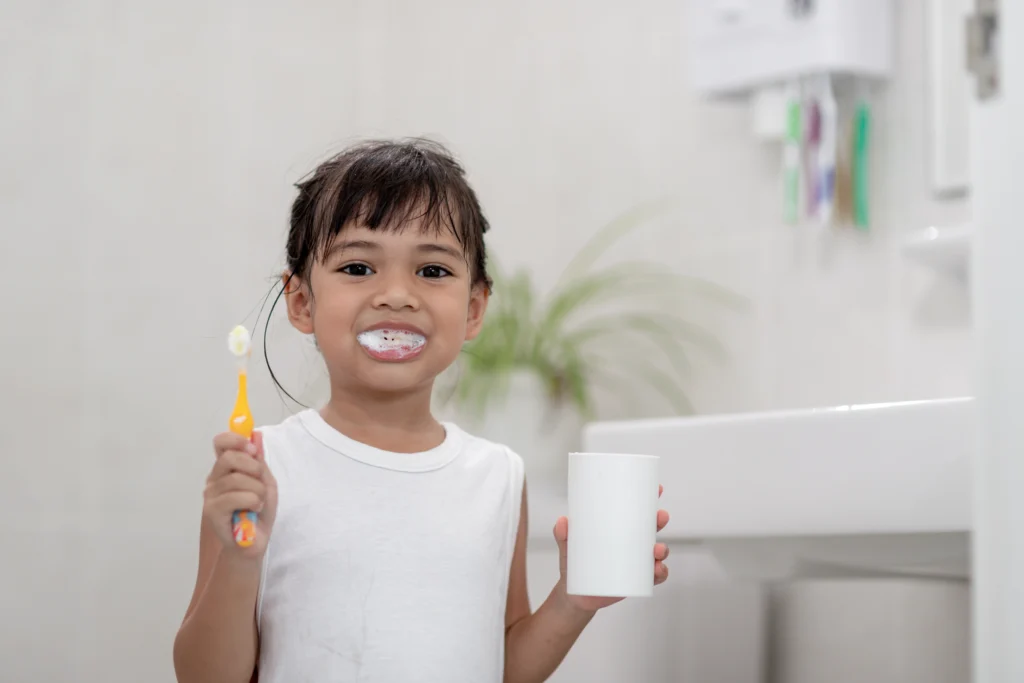
How to help take care of your kids at home
After visiting the dentist, it’s important to give your child extra care and time to rest. Make sure they keep their teeth and mouth clean as well as brush with a soft toothbrush after every meal. Feed them foods that are easy to chew and swallow and avoid giving them hot or cold drinks. If they continue to feel unwell, the best painkiller for tooth nerve pain is paracetamol or ibuprofen, both which can help tooth pain pressure. Another option is local anaesthetic gel, but it’s important to speak with your dentist before using it on them.
How to avoid toothaches in the future
After a child goes through one, it’s no fun to go through another. That’s why taking care of kids’ oral health early on, and teaching them good habits as they grow, is so important.
Here are a few ways to help protect their teeth:
- Remind them and help them to brush and floss daily
- Offer a balanced, nutritious diet
- Limit sugary and fatty foods
- Ensure they drink fluoridated water to help strengthen enamel
- Teach them not to smoke as they grow older
- Remind them not to use their teeth to open packaging or bottles
With these skills in their back pocket, they will be prepared to take on anything.
Take care of your children’s teeth today
If you or your child is experiencing a toothache or any dental discomfort, it’s important to get in touch with your local dentist as soon as possible. As mentioned earlier, it’s always better to address the issue early rather than let the pain linger or worsen.
At Oakleigh Dental, our caring and experienced team is here to make every patient—big or small—feel comfortable, supported, and confident in their smile.
Get in touch and book your first consultation with us.