Gum disease is a common issue people face, but that doesn’t mean you should treat it as a small problem. If left to develop, it can end up having a significant impact on your oral and bodily health. Because of this, patients who find out they have gum disease always want to know whether it’s a reversible condition.
As with so many things related to health, the answer is: it depends.
What is gum disease?
Your gums, also known as gingiva, are the tissues in your mouth that hold your teeth in place. Gums play a crucial role in overall oral health, as they also help to protect the roots of your teeth from bacteria. Unfortunately, poor dental care can lead to the deterioration of your gums and infection, known as gum disease.
Gum disease is caused by plaque build-up, which happens when you don’t regularly brush and floss, and progresses through two main stages: gingivitis, which is the early stage, and periodontitis, which is more advanced and can cause lasting damage.
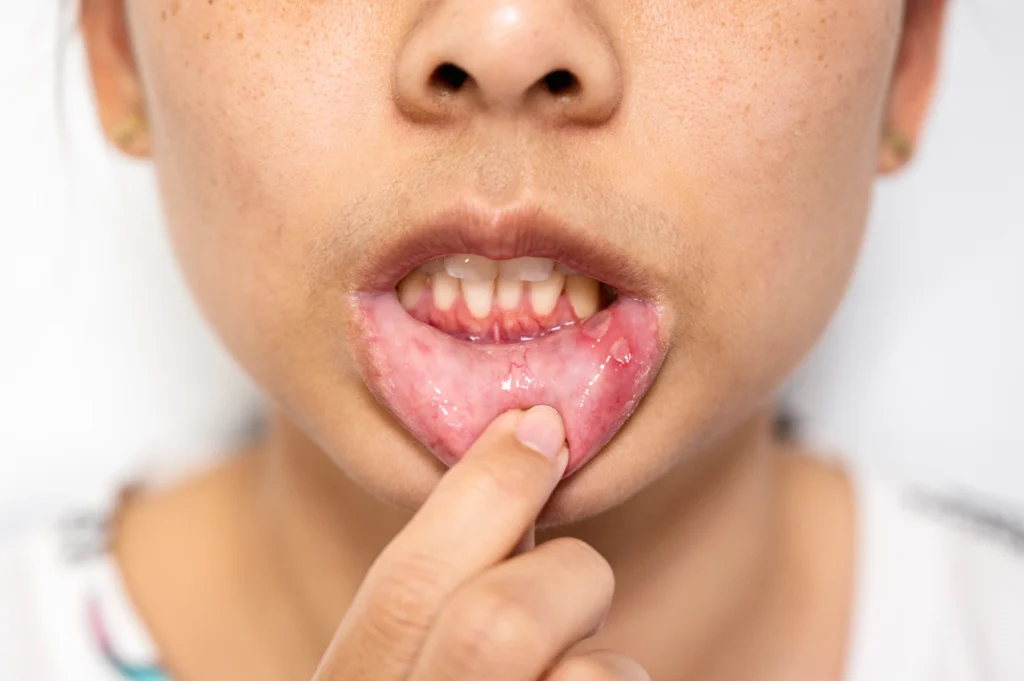
The good news: gingivitis is reversible
Thankfully, if your gum disease is caught early, it can be reversed with good oral hygiene — and the help of a dentist. Signs of gum disease to look out for include:
- Red, swollen gums
- Bleeding when you brush or floss
- Bad breath
At the beginning of gum disease, plaque and bacteria haven’t yet caused any permanent damage to your gums, but things can quickly get a lot worse if you aren’t careful. By brushing twice a day, flossing daily, and visiting us for a thorough clean, you can usually restore your gum health. But it’s important to stay on top of these habits, otherwise the disease will only keep returning over time.
The downside: periodontitis is not reversible
Unfortunately, if you let gingivitis go untreated for too long, it will develop into the more severe form of gum disease: periodontitis. At this stage, the infection spreads below the gum line and can lead to gum recession, bone loss, and even tooth loss if you continue without intervention from the dentist.
Even though periodontitis cannot be completely reversed, it can thankfully be treated through deep cleaning, antibacterial treatments, and in some cases, gum surgery. At this point, our goal switches from reversing the infection to preventing its progression, which helps to preserve as much healthy gum and bone tissue as possible.

Prevention is the best treatment
While we are thankful for the treatments that help us keep periodontitis at bay, we always prefer catching and treating gum disease as early as possible. Visiting us at least every six months for a check-up is the only way we can effectively stay on top of your oral health and catch any problems before they become significant issues.
Preventing gum disease also relies on your own oral health routine at home. To keep your teeth and gums healthy, we recommend that you:
- Brush your teeth twice daily with a fluoride toothpaste
- Floss or use an interdental brush daily
- Don’t skip any check-ups with the dentist
- Avoid smoking, which increases the risk of infection
By keeping these habits in mind, you can help prevent plaque from building up on your teeth and causing issues, while also maintaining your overall dental and gum health.
Help for all stages
Gum disease can be reversible, but only in its earliest stage. That’s why coming into our clinic for regular appointments is essential, so we can provide the best in proactive and preventive treatment. If you’re concerned about the health of your gums or just looking to improve your oral health, get in touch or book an appointment today. We’ll help you keep a healthy smile for years to come.