When it comes to transforming the appearance of a smile, dental veneers are one of the most effective methods, and increasingly one of the most popular. Veneers offer a solution for chipped, stained or uneven teeth that looks natural and is known for durability.
But are veneers permanent? Unfortunately not. Patients should understand before having veneers, that their veneers won’t last forever and will eventually need replacement.
How long do veneers last?
The lifespan of your veneers depends on several factors, including the material used to create them. The two primary materials are porcelain and composite resin, which vary greatly in their durability.
- Porcelain veneers typically last between 10 and 15 years, and can extend even longer with proper care.
- Composite resin veneers are less durable, and will usually last between 5 and 7 years.
Patients often choose composite veneers because they are more affordable upfront. Porcelain costs more because it is much more resistant to stains and wear, but the greater durability often makes porcelain veneers at least an equally cost-effective choice over the long term, if not better. Importantly, regardless of which material you choose, your veneers will last longer if you maintain proper oral care and hygiene, including daily brushing and flossing, and regular check-ups.
Signs your veneers need to be replaced
Part of the durability of veneers comes from the fact that they are securely bonded to your natural teeth, but even still, small changes can occur with natural wear and lifestyle habits. Some signs that your veneers might need a replacement include:
- Chips, cracks or rough edges on the veneers
- Staining or discolouration
- Loosening or full detachment
- Receding gums
- Decay or damage to veneers or your natural teeth
While many of these might be readily apparent to you, some may be harder to see and require a professional opinion. This is why regularly visiting the dentist for a check-up is so important — we can take a closer look so you always know the health of your teeth and veneers. If you start to notice any of the above, it’s important to book an appointment so we can go through a detailed assessment.
Why veneers need replacing
Even with detailed care and maintenance, veneers will still wear down and require an update. The most common factor is natural aging, which causes gums to recede and can lead to slight teeth shifting, which may lead to your veneers being misaligned. Similarly, years of biting and chewing can also affect the shape of your veneers and create rougher edges. For your overall oral health, it’s important to replace your veneers to avoid these issues leading to greater dental concerns.
Another important reason to replace veneers is staining and discolouration. While designed to resist stains, veneers can still be affected over the years they are exposed to different foods and drinks, and the bonding material around each individual veneer may also darken. In these cases, we often recommend a replacement to maintain the high-quality appearance your veneers provide.
Veneers replacement process
Thankfully, replacing your veneers isn’t a complicated procedure, and is very similar to having them placed initially.
- Removal. Your dentist begins by carefully removing the old veneers and any bonding material, to create a clean surface for the new veneers.
- Assessment and scanning. We check the health of your natural teeth to ensure there are no issues that need to be addressed, and then take new impressions or scans so that your updated veneers will be perfectly matched to your teeth, accounting for the natural changes that occur over time.
- Application. Once the veneers are constructed, we bond them in place and ensure a natural look. In some cases, we may apply temporary veneers first, to cover your teeth while your permanent set are being made.
How to preserve your veneers
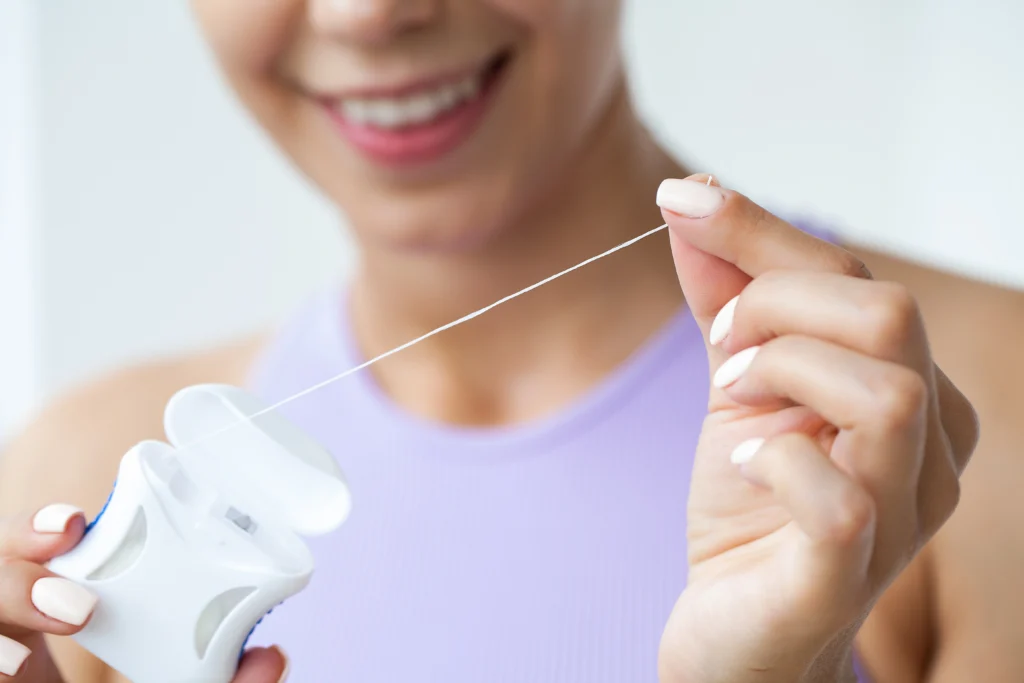
The right care can help your veneers last for over a decade. It’s important to maintain daily oral health habits like brushing and flossing gently, which prevents inflammation and plaque buildup, preserving your natural teeth and gums. Patients also need to be mindful of what they eat, avoiding biting down on overly hard foods or other objects like ice, fingernails and pen caps. We also recommend limiting your intake of foods and drinks that can cause stains, like coffee and red wine.
As we’ve mentioned, coming to visit us regularly will help you stay well on top of everything related to the health of your teeth and veneers. We can help ensure there are no issues being missed, and give you tips to manage your oral health. Maintaining all these habits will protect your veneers and preserve the natural teeth that support them.
Cosmetic dentistry that lasts
We understand veneers are an investment, and we’re committed to helping you make sure it’s worthwhile. With proper care and help from our team, your veneers will be sure to last.
To learn more about getting veneers, or if you’re considering having yours replaced, get in touch with us or book an appointment. We’re always here to help you smile.