As your child grows, it’s normal to wonder whether their teeth and jaw are developing the way they should, especially as baby teeth begin to fall out and adult teeth start coming through. Many parents assume orthodontic care only becomes relevant in the teenage years, but an early assessment can be a simple, reassuring step that helps identify potential issues before they become more complex.
Even if everything looks fine, a first orthodontic check is a helpful way to make sure your child’s bite, spacing, and jaw growth are on the right track.
When should children come for their first orthodontic appointment?
Similar to bringing a child for their first dental visit when they’re quite young, an initial orthodontic appointment is an important step, even if nothing appears to be wrong with your child’s teeth or jaw. We recommend that children have their first orthodontic assessment at around age 7.
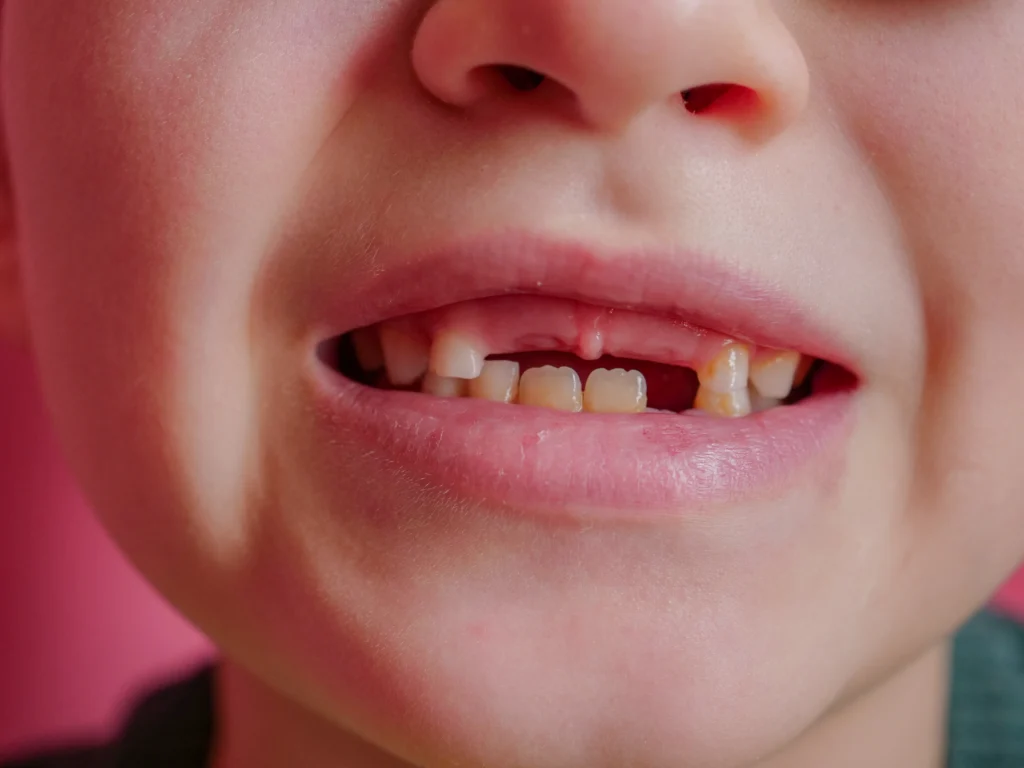
While many children won’t need treatment at that time, it is around this age when the first adult molars have usually erupted, and front permanent teeth are emerging. Similarly, the patterns of jaw growth are becoming clearer. All of these factors make it easier to identify potential bite problems, crowding and spacing issues, poor teeth eruption, and any habits that may be affecting healthy development.
While a check at around 7 is recommended, it can also be useful to book an earlier assessment if you notice your child has:
- Difficulty biting or chewing
- Shifting or clicking jaws
- Early or late loss of baby teeth
- Teeth that appear crowded, blocked, or don’t align properly
- Prolonged thumb sucking
Why is it important to visit early?
At this stage of life, children’s jaws are still growing, which can make it a lot easier to correct particular issues before jaw position becomes more fixed. Addressing bite concerns earlier in life can improve long-term dental health, reducing the risk of tooth wear and supporting better jaw alignment. All of this can help to reduce the potential need for more complex treatments later on.
What happens at the first visit?
We’re conscious that a visit to the orthodontist might sound a bit frightening, so we put in a lot of effort to make sure our assessments are comfortable and as straightforward as possible. Our initial appointments tend to include a close examination of teeth and jaw alignment, and potentially x-rays or digital scans if needed. We try to assess the likely growth patterns to predict and prevent any issues, while also communicating openly with children about the need for high-quality oral health care, helping them understand why taking responsibility for their teeth is important and beneficial.
Types of orthodontic treatment
A lot of kids might be afraid that, if they come for an appointment, they will have to get braces, but this isn’t necessarily true. Some may not need treatment at all, and for most, we can use early intervention treatments to correct specific issues before they require more complex treatments. We tend to think of orthodontic care as occurring in two main phases.
Phase 1: early intervention
Early on, we focus on guiding jaw growth correctly and fixing issues we can see with less invasive treatment methods. These may include palate expanders, space maintainers and limited braces, which can reduce the severity of future orthodontic problems and potentially remove the need for future treatment. These treatments are typically recommended between the ages of 7 and 10.
Phase 2: comprehensive treatment
This typically occurs in early adolescence, once most permanent teeth have erupted, and more powerful methods are needed to change teeth or jaw position. At this stage, we may opt for traditional braces or Invisalign, as well as the use of retainers post-treatment to maintain the results.
Supporting healthy development
Early orthodontic care helps to support healthy growth and promotes long-term wellbeing. Our initial assessments help to identify whether your child’s smile is developing as expected, and how we can help correct any issues when necessary.
If you’re interested in learning more about our early orthodontic treatments, or looking to book an initial appointment for your child, get in touch with our friendly team today.