For those looking to improve the aesthetics of their teeth, there are a lot of cosmetic dental options out there. One of the most popular solutions (and increasingly common) are dental veneers.
(Teeth veneers, just to be clear. We can’t help you with timber — sorry.)
Dental veneers are an easy option to improve the shade of teeth, transforming discolouration and gaps into pristine white smiles. If you’re weighing up the pros and cons, dive in to find out if they will work for you.
What are dental veneers?
A veneer is a layer of white material that dentists place over and bond to teeth with special dental cement. Veneers make your teeth appear brighter and cleaner. Dental veneers are made of porcelain or composite resin. Porcelain veneers may be more durable, but composite veneers are often a bit more affordable and quicker to apply.

When are veneers the right option?
Veneers are a good option for anyone who wants to improve the appearance of their teeth, covering natural teeth that are overly discolored, crooked, gapped or chipped. However, veneers are a purely cosmetic solution. Unfortunately, they do not actually fix the position and shape of your natural teeth under veneers. They are not the best option for teeth that have extensive damage and require more significant treatment.
Veneers can only be attached if your existing teeth and gums are in good enough condition to support them. Your dentist will be able to determine whether you are a good candidate for veneers, or make recommendations for other treatments.
What type of veneers should I get?
Dentists regard porcelain as the best material for veneers, due to its ability to blend with your natural tooth colour, avoid stains and last for the longest time. However, their high quality does also make them the most expensive type per tooth. Composite resin veneers are slightly less durable and may develop stains over time, but they are easy to repair and cost less than porcelain.
Many dentists also offer snap on veneers, which are removable alternatives to bonded veneers. Snap or clip on veneers are not recommended to be used long-term as they can harm your gum tissue, but they can help in individual instances. Most people use temporary veneers in the case of special events.
Even with their cosmetic improvements, veneers are not a replacement for good dental hygiene. Your natural teeth underneath veneers will be compromised if you don’t continue to brush and floss everyday, and attend your regular dental check ups. Make sure that any treatment you undergo happens at a good quality dental practice — cheap veneers may end up costing you more in the long run.
Is there an alternative to dental veneers?
Bonding veneers to your teeth can help in a variety of situations, but it is not always the most effective answer to your dental health and aesthetic needs. Here are the other treatments people often consider to fix their teeth or change their appearance.
Crowns vs veneers
Dental crowns are permanent teeth restorations that help broken teeth appear whole. We recommend crowns when you need a full restoration instead of simply a cosmetic change. Where veneers are attached to the front, a crown will cover the entire tooth. If the tooth (or teeth) you want to fix is intact, a veneer may be a better option because all you need is an aesthetic change. Check out our deep dive to read more about crowns vs veneers.

Braces vs veneers
Whether you get veneers or braces for crooked teeth depends on the severity of their positioning. Placing veneers on crooked teeth is possible if the slant is only minor. Unfortunately, you cannot fix crooked teeth with veneers, as they do not exert any force on your teeth. Similarly, you can’t use veneers to close gaps, only to mask them. Braces exert pressure on your teeth, helping them change position, straighten and fix overcrowding. We recommend braces when your teeth positioning is severely wrong and overly crooked. If it is minor, you may be able to create the illusion of straight teeth with veneers.
The same details are true of Invisalign vs veneers, and Invisalign is a much more attractive way to treat orthodontic issues than braces.
Dentures vs veneers
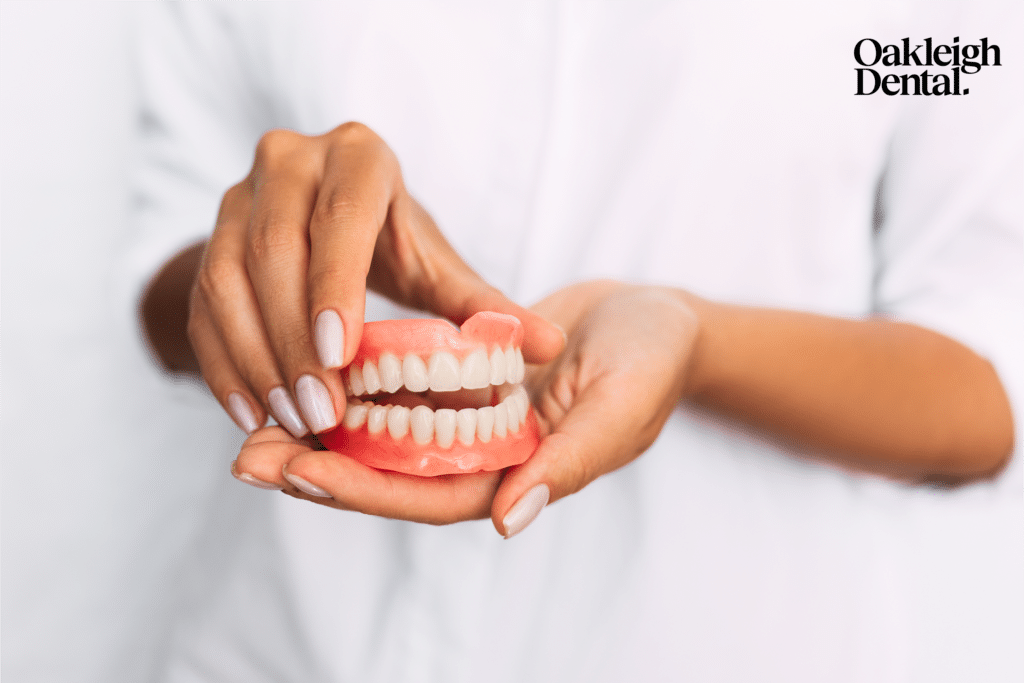
Both dentures and veneers help to improve the look of your teeth and to cover up gaps and decay. However, dentures are a more extensive treatment, geared more towards improving functionality instead of aesthetics. Dentures may fix issues such as missing teeth or significant decay, whereas veneers will only cover issues, but not fix them.
Teeth whitening vs veneers
Both of these treatments work to improve the aesthetics of your teeth at different scales, creating a white, clean appearance on discoloured or stained teeth. The key difference is extent: whitening procedures will only improve the shade of your existing teeth, while veneers can also cover gaps, chips and uneven spacing in your smile. Veneers also last significantly longer than a course of whitening. If you are purely looking to improve colour, whitening will likely be a cheaper overall option. Here’s a full guide to teeth whitening if you’d like to learn more.
Where can I get veneers near me?
If you’re interested in getting veneers to improve the look of your teeth, Oakleigh Dental Centre is the place for you. Our committed professionals will help you choose the best option and will always leave you smiling brightly and confidently. Come visit us today for a consultation — we can’t wait to meet you!