Tooth decay does not always start with pain. It can begin before there is a visible hole, while the tooth still looks mostly normal and feels comfortable.
A parent might notice a faint white patch on a child’s back molar. An adult might feel a short twinge when drinking cold water. These signs can seem minor, but by the time a tooth is aching regularly, decay may already have moved much deeper. That is why early changes are worth checking.
What are the early signs of tooth decay?
The early signs of tooth decay are often subtle. You may first notice a change in how a tooth looks, feels or responds to certain foods and drinks. These signs do not always mean there is a cavity, but they are worth checking early, when decay is usually easier to manage.
White spots or chalky patches on teeth
White spots can look pale, chalky, dull or slightly opaque. They often appear near the gumline, in the grooves of back teeth or around braces, where plaque can be harder to clean away.
A white patch does not always mean active decay. It may also be linked to enamel development, past mineral changes or another dental issue. However, a new chalky patch can be an early sign that the enamel is weakening, so it is a good idea to have it examined at your next dental check-up. This is especially important for children, teenagers with braces and adults who notice changes close to the gumline.
Tooth sensitivity or mild discomfort
Tooth sensitivity may be linked to early decay when it keeps happening in one tooth and is triggered by cold, sweet or acidic foods and drinks. Not all sensitivity is caused by decay, though; there are a variety of other sensitivity causes and symptoms, including enamel wear, gum recession, teeth grinding, a cracked tooth, brushing too firmly or recent dental treatment. The main thing to watch is whether the sensitivity is persistent, localised or getting worse.
If sensitivity lingers after hot or cold foods, becomes painful when biting, or appears with a dark mark or rough patch, book a dental appointment promptly.
Brown or dark marks on teeth
Brown, grey or dark marks can sometimes suggest tooth decay, especially when they appear in grooves, between teeth or around old fillings. These marks may be small at first, but they should be checked if they are new, spreading or linked with sensitivity.
Not every dark mark is a cavity. Tea, coffee, some foods and older dental work can leave stains that look similar — see our guide to removing tooth stains for more on surface discolouration. A dentist can check whether the mark is only on the surface or whether the tooth structure has started to break down.
Rough areas, pits or small holes
A tooth that feels rough, catches floss, traps food or has a visible pit may need a check-up. These changes can suggest the enamel surface has started to weaken or break down.
Visible holes, chips or rough edges can mean decay has moved beyond the earliest stage. Even if there is no pain, it is still worth getting the tooth checked before the problem becomes more difficult to treat.
Food catching between teeth
Food getting stuck between teeth every now and then is common. But if food keeps catching in the same place, it may mean the shape of the tooth has changed, a filling edge has opened, or decay has created a small food trap. This is especially worth checking if floss shreds in the same spot, the area is hard to clean, or there is sensitivity nearby.
Bad breath or an unpleasant taste
Halitosis, or bad breath, that does not improve with brushing, flossing and drinking water can sometimes be linked to trapped food, decay or gum inflammation around a tooth. Bad breath can have many causes, so it is not proof of tooth decay on its own. But if it appears with food trapping, bleeding gums, sensitivity, a bad taste or visible marks, a dental check-up can help identify what is going on.
When tooth decay becomes more serious
Tooth decay may be more serious if there is ongoing toothache, pain when biting, swelling around the gum or face, pus, a bad taste, a broken tooth, or sensitivity that lingers after hot or cold foods. These symptoms can suggest decay has moved beyond the enamel and into deeper layers of the tooth. Once the nerve becomes irritated or infected, pain may become stronger, more constant or harder to manage with simple home care.
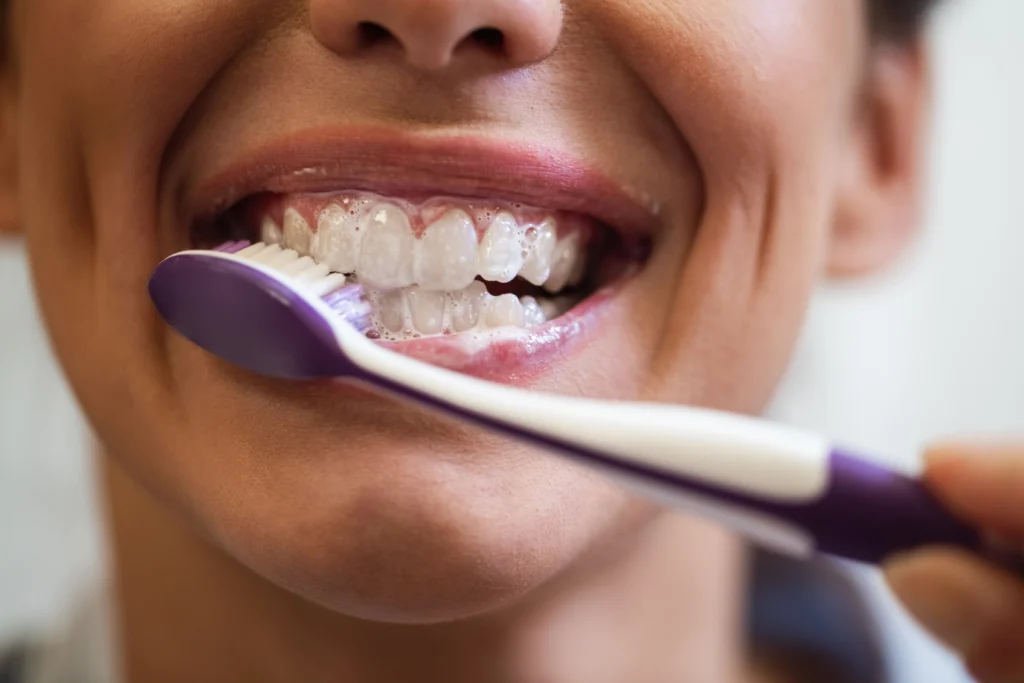
If you notice early signs of tooth decay, book a dental check-up and keep your oral care routine consistent. Brush twice daily with fluoride toothpaste, clean between teeth daily, reduce frequent sugary or acidic snacks and drinks, and avoid waiting for pain before seeking advice.
At home, the goal is to reduce the number of acid attacks on your teeth during the day. Drinking water after meals, keeping sweet snacks to mealtimes where possible and brushing before bed can help lower the risk. Grazing on sweet foods or sipping soft drink, juice, sports drinks or flavoured milk over a long period can keep teeth under acid attack for longer.
Can early tooth decay be reversed?
The earliest stage of tooth decay, before a cavity forms, may sometimes be slowed, stopped or remineralised with the right care. Once a hole has formed, professional treatment is usually needed. At home, the most useful steps are brushing with fluoride toothpaste, cleaning between teeth daily, reducing frequent sugar exposure and drinking water as the main drink.
In the dental chair, your dentist may recommend fluoride treatment, fissure sealants, monitoring, dietary advice or restorative treatment, depending on the stage of decay. A simple way to think about it is this: early mineral loss without a hole may sometimes be strengthened. A visible hole, broken enamel or deeper cavity usually needs dental treatment.
Small changes now can prevent bigger problems later
For Australian families, the best approach to tooth decay is prevention and early action. Brushing with fluoride toothpaste, keeping sugary snacks and drinks less frequent, helping children clean their teeth properly and booking regular dental visits can all reduce the risk of decay becoming more serious.
If you notice changes in your teeth or your child’s teeth, book a gentle check-up with your family dentist before symptoms become more uncomfortable or treatment becomes more involved. Most families benefit from visiting every six months, though your dentist may recommend a different schedule based on individual risk. If you’re based in Oakleigh or the surrounding area, our team is available for gentle check-ups, and always here to help you smile.