Very few people like to talk about it, but gum disease can have significant consequences for oral and overall health. We firmly believe the best way to prevent gum disease is through solid oral health and regular dentist visits. But if you aren’t entirely sure of the gum disease stages, or how to recognise signs, this one’s for you.
What is gum disease?
Gum disease is inflammation of the gums that support your teeth, caused by bacteria in the form of dental plaque. Plaque is hard to remove if it hardens, leading to infections in gum tissue and the bones that support teeth. Gum disease is very common at mild levels, but can become severe if left untreated over time.
Types of gum disease
Gum disease can vary in severity, depending on how significant the infection is and how long it has gone untreated. There are two main forms of gum disease, known as gingivitis and periodontal disease (or periodontitis).
Gingivitis
The early form of gum disease is gingivitis. It is mild in severity and early treatment can eradicate it. Gingivitis occurs when plaque builds up on the gum line, where your gums and the base of your teeth meet. If plaque is not removed, it will harden and lead to gum inflammation, prompting gum swelling and bleeding. However, at this stage the disease can be reversed because it isn’t yet affecting the bone and connective gum tissue.
Periodontal disease
Severe gum disease occurs when the inflammation in your gums goes untreated. This creates ‘pockets’ between your gums and teeth which become filled with bacteria and plaque that has hardened into tartar. From there, your gum tissue and even the bones of your teeth will begin to decay. At this point the disease is no longer curable and requires intervention from a professional to be properly managed.
What causes gum disease?
The primary cause of gum disease is plaque build-up which irritates the gums and eventually causes a breakdown of tissue. Plaque constantly forms from oral bacteria that exist in our mouths, particularly when they feed on sugar.
The natural bacteria release acids after we eat and drink, which combine to make the sticky, colourless film. If you do not regularly remove plaque from your teeth it will eventually lead to redness and gum swelling.
People also have an increased risk of developing gum disease if they smoke regularly, have diabetes, have poor nutrition, or have a genetic predisposition.
Symptoms
Gum disease has a number of known risk factors and warning signs to look out for. Gum disease is often painless when mild, but can become extremely painful if left untreated. Noticing these signs as early as you can, and then receiving treatment, can help you avoid unnecessary pain.
Sensitive teeth
Inflamed gum tissue may lead to the loss of supporting ligaments, which can expose the tooth root and nerve endings. When these nerves are exposed, they are sensitive to tooth movements as well as extremely hot or cold temperatures, which can create a lot of pain when trying to eat and drink.
Swollen or bleeding gums
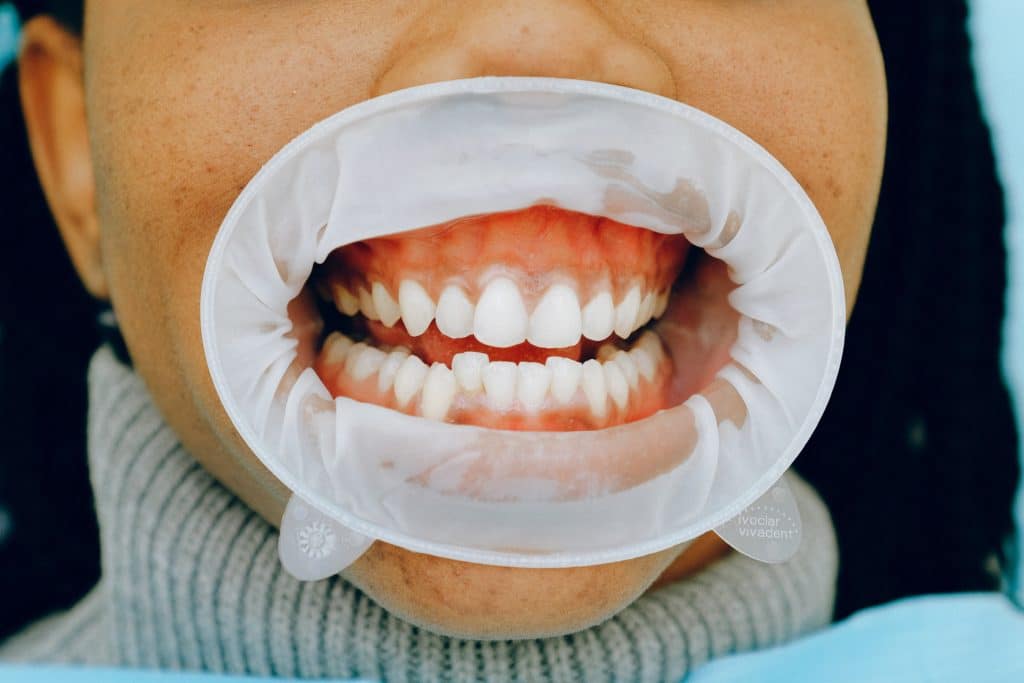
Healthy gums appear pink and firm, but when they become unhealthy, they begin to look swollen and will likely bleed when you brush or floss. If you notice that your gum line appears distinctly more red or puffy, your gums may be infected. Regular gentle cleaning of your teeth and gums should help to reduce this.
Persistent bad breath
Poor oral hygiene often causes bad breath — known as halitosis — with gum disease and tooth decay also increasing the likelihood of having bad breath. The bacteria inside build up to leave an unpleasant smell on your breath when you do not regularly clean your mouth.
Loose teeth and tooth decay
As your gum tissue becomes more affected over time, your teeth may loosen — or even fall out. Without the protection of your gums, more germs and infection can invade the teeth, leading to overall decay. You will require more extensive treatments slow the progression and manage your oral health going forwards.

Treatment
Gingivitis and periodontal disease treatment depends on the severity and stage of the disease. Gingivitis is reversible when properly treated and managed. The more severe periodontitis requires intervention from a dental health professional.
Cleaning and scaling
Gingivitis and early gum disease is primarily treated with a thorough scale and clean from a dental hygienist. This process removes any deposits of plaque on your teeth, and the hygienist can advise you on how to improve your at-home cleaning habits and maintain a more positive oral health routine. This may also involve a process known as root planing, which smooths the surfaces of your tooth roots and prevents further buildup of bacteria.
Flap surgery
Your dentist may recommend flap surgery, which involves a careful incision in your gums to fold back the tissue and more effectively scale and clean your tooth roots, leading to a more thorough removal of plaque and bacteria. The dentist then stitches the gum tissue back in place and the areas around your teeth become easier to clean going forwards.
Grafts
There are two main types of grafts to help gum disease: soft tissue grafts and bone grafts. Soft tissue grafts reinforce any damaged tissue at the gum line. The tissue typically comes from the roof of your mouth and attaches to your gums to cover exposed roots and make your teeth easier to clean.
Dentists use bone grafts when periodontal disease has led to reduction in the bones around your tooth root. A bone graft keeps your teeth in place and reinforces any damaged areas, while also promoting regrowth or your natural bone.

How to prevent gum disease
Thankfully, it’s not all doom and gloom when it comes to your gums. There are a number of ways to avoid developing serious gum disease and manage your health when you notice risk factors.
Brushing your teeth and flossing regularly
You’ve heard it before — brushing twice a day and maintaining good oral hygiene is vitally important and should be a regular part of your life. But it remains true: regular cleaning will remove plaque, prevent tooth loss and help to fight gum infection.
As we’ve noted, if you have hardened plaque, you won’t be able to remove it yourself, but a dental professional will be able to remove tartar before it develops into significant periodontal disease.
Using fluoride toothpaste
Fluoride contains many benefits for improving and maintaining tooth health, and is most commonly available in toothpastes. Fluoride reduces the ability of plaque to produce acids, which can lead to stronger enamel. The mineral also promotes remineralisation of the teeth, a process that bolsters the enamel surface to become more acid-resistant.
Improving your diet
Plaque develops when we consume sugary foods and drinks, so reducing the amount of sugar you consume can lead to less plaque and improved oral health. Avoiding sugary foods and drinks can be combined with drinking plenty of water, which washes the mouth and provides a host of overall health benefits.
Visiting the dentist regularly
Having your teeth and gums checked by a dentist at regular intervals can ensure your dental health stays in the best possible condition. They will be able to advise you on how to take care of your teeth properly, while also recognising any potential issues. A deep cleaning every six months is recommended to sustain positive dental health conditions.

Gum disease treated early
You don’t need to suffer through bleeding gums or periodontal diseases. Get your teeth and gums checked by our professional and passionate dental team today, and we can help you make positive changes to improve your oral health for life. Book a consultation with us today and keep your teeth in their best shape.