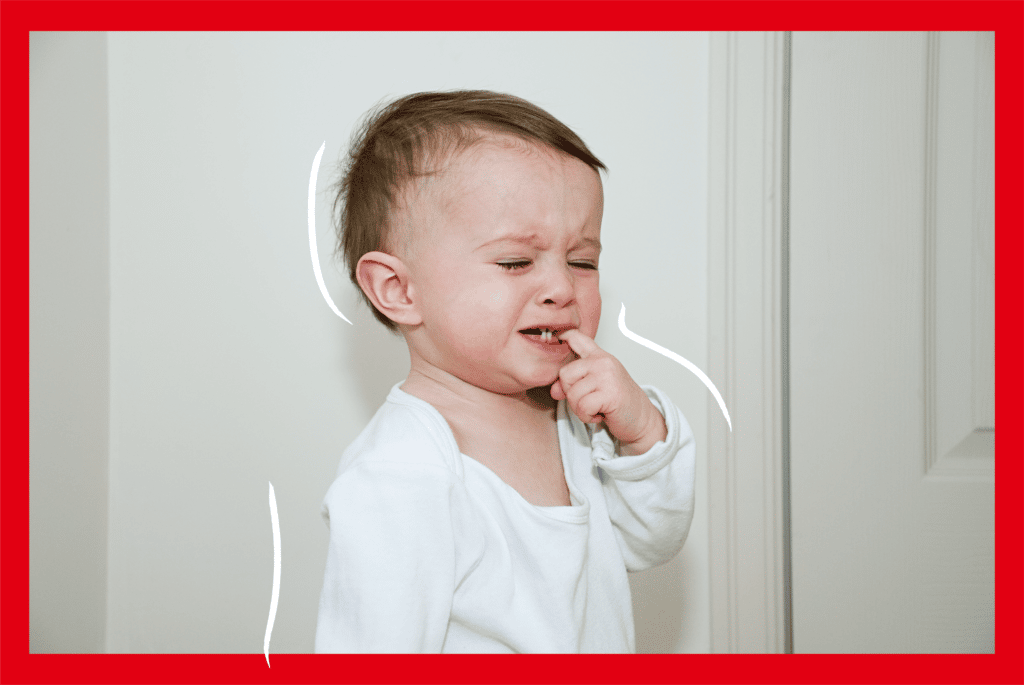
Just as with adults, child teeth grinding can affect your kids at different stages of their life. In most cases, grinding is usually not a damaging habit that requires intervention. Most children outgrow it naturally with time. But there are some situations where grinding is a little more serious and requires more significant attention. From babies to older children, it’s important to know why they may be grinding, and what you can do.
Causes of teeth grinding in children
Knowing how to help relates to the age of the child, and understanding what is causing the grinding. In some situations, teeth grinding is a normal part of development, and requires minimal management until it naturally ends. Sometimes, however, the situation requires more attention and more intervention.
Teeth grinding in babies
It is normal for babies and toddlers to begin grinding their teeth when new teeth are coming in. For babies in particular, grinding typically happens to ease the pain of sore gums while they are teething.
If you have a significant concern about your baby’s health or grinding, call your dentist for a discussion. Take note of any potential signs, such as irritability, apparent jaw pain, or any damage to the surface of teeth.

Teeth grinding in young children
The causes of teeth grinding in children are similar to adults, and include stress, gum inflammation, or jaw misalignment.
In cases of bad teeth positioning, grinding is the way for children to try and find a comfortable jaw position. It is common when baby teeth are beginning to loosen and permanent teeth are beginning to come through. If your child is struggling with their teeth position, or you notice they are not straight, organise an appointment to examine their development. The earlier a dentist can observe potential issues, the easier they will be to treat.
Children who have airway or breathing problems are more likely to grind their teeth. It often takes fixing or treating these underlying issues to fix grinding. Grinding is also common in children who snore.
One of the most common causes is stress, which can come from worries about school, home life, and more. If you are worried, ask your child what they are worried about, and how you can work together to relieve stress.
Some medical conditions, such as hyperactivity or cerebral palsy, can lead to a higher risk of teeth grinding in children. It is worthwhile to pay close attention to your children’s teeth for any signs of grinding.

Signs and symptoms
While it can be hard to ascertain whether you or your child is grinding their teeth, there are a number of behaviours and symptoms that function as indicators. Among the easiest to notice are related to eating. Common signs are sensitivity to hot or cold foods and pain while chewing. Grinding strips back the protective enamel of the teeth, exposing them to sensitivity.
If your child is complaining of soreness in their jaw, face or teeth, or headaches and migraines, it is worth having a close look at their teeth. If you can notice any chipped, worn or flattened teeth, your child may be grinding while they sleep. Try also to watch them while they are at rest. If you can see any rhythmic jaw movements, like repetitive side-to-side shifting or tightening, it may be a waking sign of grinding.
Often, signs of teeth grinding are heard rather than seen. At night, listen to your child as they sleep and pay attention to any grinding sounds. During the day, listen for the sound of their jaw clicking.
Treatment of child bruxism
You can treat teething pain with teething rings, which are small toys designed for babies to chew on. These rings soothe tender gums as teeth emerge, helping to relieve pain by exerting pressure while babies chew. Parents should make teething rings cool before use by placing them in the fridge. Avoid freezing them or making them too cold though, as this can bruise a baby’s gums.

Some teething rings come with liquid inside, but parents should avoid these products. As your baby’s teeth emerge, their chewing could break the ring and cause a dangerous liquid to enter their mouth.
In older children, if grinding is occurring due to feelings of stress and anxiety, try and establish a relaxing pre-bed routine for your children. This could include taking a warm bath, listening to calming music, reading stories and brushing your teeth together. Calming your children down right before bed and giving them feelings of security is a good way to reduce underlying stressors.
More interventionist approaches can include using night guards or surgery. Night guards, also known as occlusal splints, are plates that sit over the top or bottom teeth and prevent teeth-on-teeth contact while sleeping. It is possible to find one-size-fits-all guards, but we recommend having one custom moulded to your teeth to ensure comfort and effectiveness. Finally, removing the tonsils or adenoids — which obstruct the upper airways when enlarged — can reduce the likelihood of teeth grinding.
Come see us!
Above all, the best thing you can do if you are worried about teeth grinding in your children is to give your dentist a visit. Dentists will determine if your child is experiencing grinding while asleep, and whether it will lead to significant issues later.
If the issues stem from other sleep disorders or constant stress, you may need to consult another professional healthcare provider to aid in treatment.
Ensure your child has regular dental visits to treat bruxism where necessary, and to make sure they are keeping up good dental and oral health habits.