It’s a question that’s sparked debate for years. While both toothbrushes effectively remove oral plaque, is it worth the extra cash to get a battery-operated toothbrush? Or can a manual toothbrush get the job done just as well? Let’s dive into the pros and cons of each to help you decide.
Benefits of an electric toothbrush
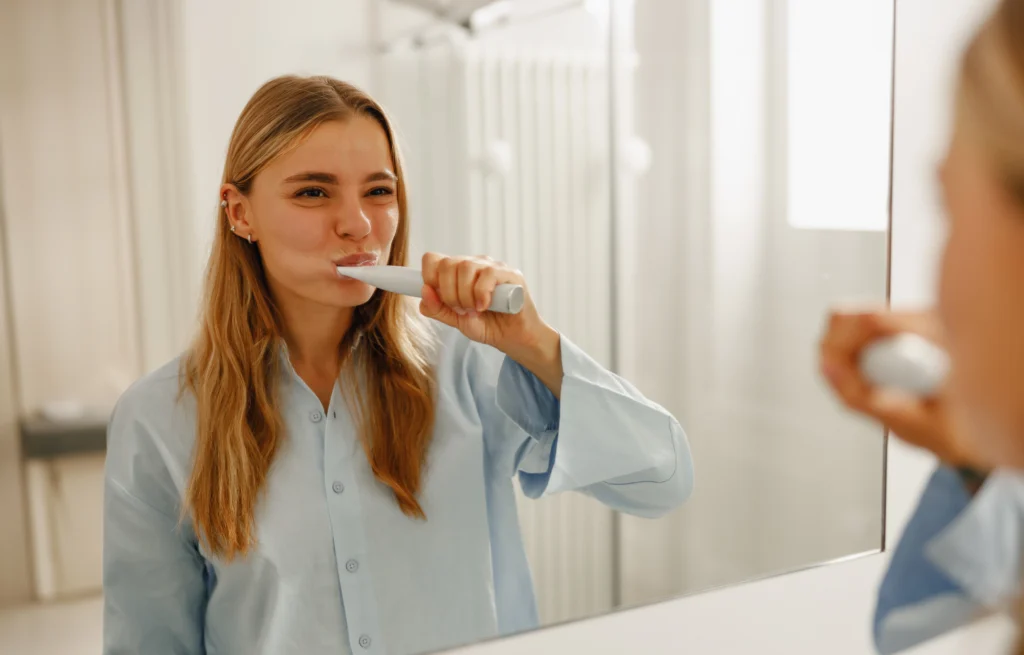
Using an electric toothbrush has one big advantage — vibrating bristles. With these bristles, an electric toothbrush allows for more micro-movements as you swipe across your teeth, in turn getting in between the smaller areas more efficiently. This can be a huge benefit to those who are trying to get in the crevices of their teeth.
More efficient cleans
Studies show that electric toothbrushes, particularly rotating ones, remove more plaque than manual brushes. The Cochrane Oral Health Group found that powered toothbrushes reduce 11% more plaque within 1–3 months compared to manual brushing, and 21% more after 3 months. You will see a more thorough clean with an electric toothbrush which reduces buildup and lowers the risk of gingivitis.
Easy to use
An electric toothbrush is easy to use, no matter the age. Most children and teens have fun using these toothbrushes, coming in variable speeds to reduce pressure on sensitive teeth. For those with arthritis, dexterity issues or braces, an electric toothbrush can make reaching the hard spots easier.
Built-in timers
Some electric toothbrushes have built-in timers that help people brush their teeth for 2 minutes. No need to worry about tracking it yourself — an electric toothbrush often turns off when the 2 minutes are up to let you know you have fulfilled your time.
Disadvantages of an electric toothbrush
While offering a lot of benefits, there are still a few disadvantages worth knowing when it comes to electric toothbrushes.
More $$$
The initial investment of an electric toothbrush will be higher as electric toothbrushes range in price anywhere between $15 – $250 depending on the make and model. Similarly, you need to replace the head of an electric toothbrush every couple of months, requiring an additional cost. As another alternative, you can also get individual disposable electric toothbrushes which range from $5 – $8, but these still require regular changing.
Dependent on charge
Electric toothbrushes require regular charging to ensure they’re ready to go when you need them. This can be inconvenient if you’re not by an outlet or if the battery dies during a brushing session. Since these toothbrushes have batteries inside, they tend to be bulkier, which makes them heavier to hold up and travel with.
Too much pressure
Since electric toothbrushes move on their own, if individuals press the bristles too intensely on their teeth and gums, it can cause irritation, loss of enamel, and potential damage. It’s important to not apply too much pressure.
Pros of a manual toothbrush
Manual toothbrushes have been used for centuries, with plenty of research showing they effectively help prevent tooth decay and cavities. While they lack the advanced technology of electric models, they still get the job done well.
Cheaper than electric
One of the most obvious advantages is that regular toothbrushes cost a lot less than their electric counterparts, and are readily accessible. You can find a manual toothbrush at the supermarket, airport, and even at petrol stations. They’re easy to access and don’t need to be charged, meaning you can use one anytime and anywhere. They’re light and compact to carry around too, able to be taken with you wherever you go.
More control
Sometimes an electric toothbrush can feel too harsh, but manual toothbrushes can help you have more control over the brushing process and the pressure on your teeth. This is very beneficial for those who experience sensitivity in their teeth or gums.
Drawbacks of a manual toothbrush
Not as thorough
Manual toothbrushes may not clean as thoroughly as electric ones, largely due to human error—we can’t always reach every small spot perfectly. While an electric toothbrush can compensate for this, manual brushes depend entirely on the user’s technique, leaving more room for missed areas and potential plaque build-up.
No built-in timers
Manual toothbrushes don’t come with timers so people can easily underbrush or overbrush, which can lead to issues. Underbrushing can leave plaque behind, while overbrushing may cause enamel wear and gum irritation.
Is an electric toothbrush better?
In the ongoing battle of electric vs manual toothbrush use, the choice is really up to you, depending on your needs and preferences. If you can afford to buy one and maintain it with regular changes to the brushing head, an electric toothbrush can be a very worthwhile investment, providing a more efficient clean.
Thankfully, there is nothing wrong with using a manual toothbrush either, as long as you brush for the right amount of time and put in effort to reach difficult areas around and between your teeth. The best choice is whichever will help you brush consistently and effectively.
How to brush your teeth properly
With either toothbrush, the brushing technique matters. To brush effectively, place your toothbrush at a 45 degree angle to the gums and gently move the brush back and forth in short tooth-wide strokes. It’s important to brush not only the front of the teeth but also the back, and to reach to the tooth further back in your mouth. Fluoride toothpaste can also help brighten your teeth as you brush too. You can read in more detail how to brush your teeth effectively here.
When to replace a toothbrush
No matter what toothbrush you have, it’s important to replace it around every 3-4 months as recommended by the ADA. If you notice the bristles becoming frayed, it’s time for a replacement. For electric toothbrushes, simply change the brush head, but for manual ones, you’ll need to get a whole new brush. From there, you’ll be good to go.
Are electric toothbrushes worth it?
When considering the types of toothbrushes, both manual and electrical can effectively clean your teeth as long as you use good technique and brush for the recommended two minutes. Using an electric toothbrush generally provides a deeper clean and more plaque removal, so if your budget allows, it’s worth investing in one.
At Oakleigh Dental, our team is dedicated to supporting you on your dental journey. We aim to help you achieve not only the healthiest teeth, but also the brightest, whitest smile possible. If you have further toothbrush questions or any dental care concerns, please book an appointment with us. We’re here to support you.