It’s commonly known that you should brush your teeth twice a day, but you might be surprised to learn that it’s not just for your oral health — it’s for your entire body. While most people are aware of the risks of cavities and tooth decay, many don’t realise how the bacteria in your mouth can lead to a variety of other health issues. There are many links existing between oral health and general health.
Why is oral health important?
Oral health and dental wellbeing are important to keep your teeth and gums happy and healthy. Those who don’t look after their teeth often undergo treatments later on in life, which can be incredibly costly.
Poor dental care can affect more than just your teeth. It’s linked to higher risks of heart disease, lung issues, and pregnancy complications. This shows how important it is to keep up with good oral health and general health habits.

Can bad teeth affect your health?
There are many health problems caused by bad teeth. Below are some examples:
-
- Periodontal disease: A gum infection that damages the tissue around your teeth. To avoid this, brush, rinse, floss regularly, and visit your dentist for check-ups.
-
- Cardiovascular Disease: Dental health and heart disease are closely linked. Bacteria responsible for gum disease can enter the bloodstream, blocking arteries that carry blood to and from the heart. If not treated, this can lead to life-threatening issues.
-
- Respiratory Issues: Gum disease-causing bacteria can also reach the lungs through the bloodstream, causing respiratory problems like pneumonia or bronchitis.
-
- Diabetes: Gum disease can make blood sugar difficult to stabilise. This increases the risk of diabetes.
-
- Pregnancy Issues: Hormonal changes during pregnancy can increase the risk of complications. Poor oral health and gum disease can contribute to these hormone changes.
-
- Kidney Disease: Your kidneys regulate blood pressure, bone health, and heart function. Bad dental hygiene can impair kidney function, leading to complications in these areas.
Since every person’s body responds differently to bacteria, some individuals may be more susceptible to certain health issues over others, making these issues more common among specific individuals. It’s good to chat with your dentist to know where you stand.
Common signs of poor oral hygiene
If you have a bad diet consisting of fast food or excessive sugar consumption, it harms your teeth and increases the risk of the health conditions mentioned above. The use of substances such as alcohol or tobacco along with high levels of stress can further contribute to the development of systemic health disorders.
How to practise good oral hygiene
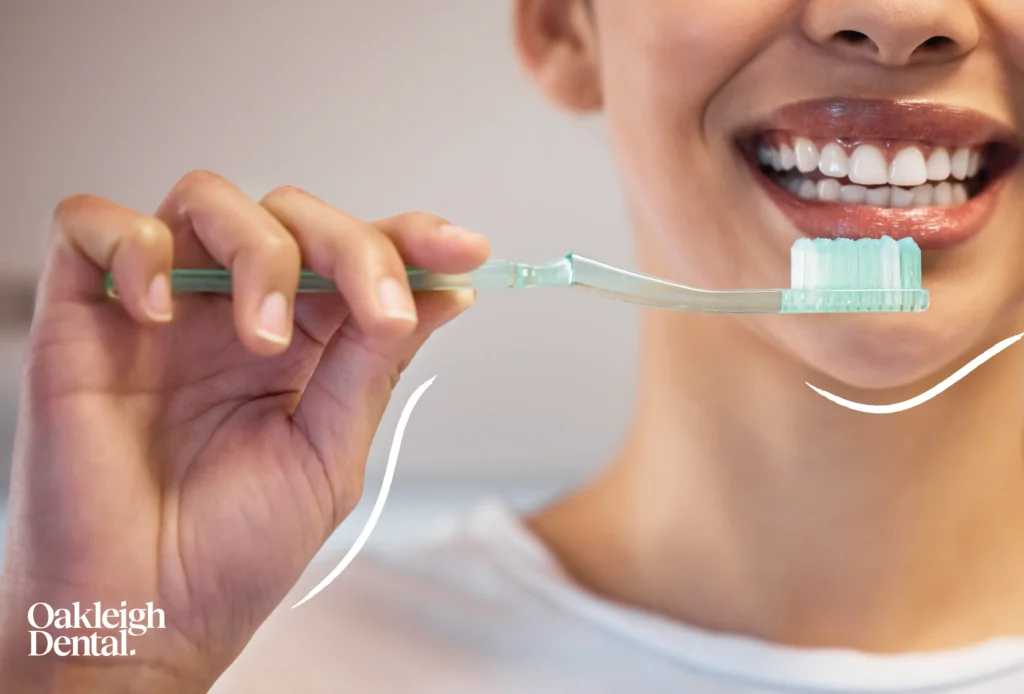
Adopting simple, healthy habits can help you maintain excellent oral health and keep your teeth strong for years to come. Check out our tips below:
-
- Brush your teeth with fluoridated toothpaste for at least two minutes, twice daily. Make sure to brush every surface of each tooth.
-
- Use oral hygiene products like floss and mouthwash every day, to remove plaque and food particles that get stuck between your teeth and to wash out any harmful bacteria.
-
- Book appointments with your dentist every 6 months for a clean to make sure all is well.
-
- Eat nutritious foods, exercise often, and avoid bad habits such as smoking, drinking, and sugary foods.
At Oakleigh Dental, we prioritise the oral and general health of our patients at every level. Whatever stage you are at, we are committed to helping you stay safe and healthy. Book a consultation and chat with one of our experienced dentists today!