Tooth decay and infections are never enjoyable—they can cause discomfort, disrupt your daily life, and, if left untreated, lead to significant oral health issues. Recognising the symptoms of tooth decay and knowing when to seek treatment, such as a root canal, is essential for maintaining a healthy, pain-free smile.
What is a root canal?
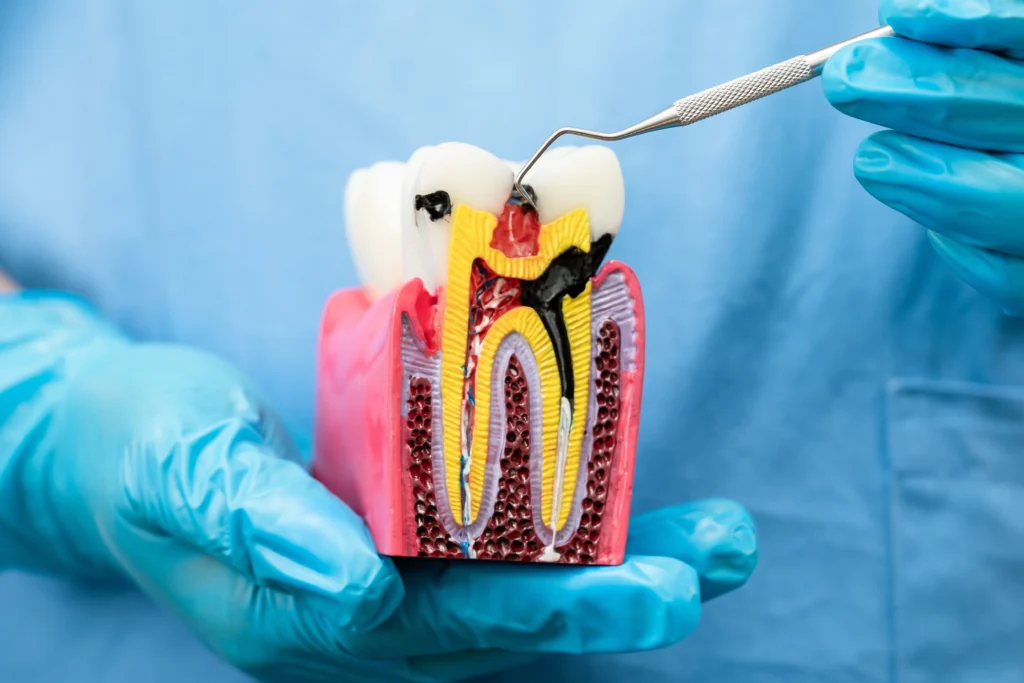
Every tooth has a root canal. It’s the space below your gum and the inside middle section of your tooth that contains the nerve and dental pulp. If you brush and floss daily, it’s easy to keep bacteria out of it. But if not taken care of, bacteria can build up on your teeth causing cavities or holes to form and seep into your dental pulp. This creates an infection and pulp death which can be very painful. Sometimes if the cavity becomes too large to be restored successfully or if the tooth fractures and breaks, we are only left with extraction.
However, if caught before its final stage, a root canal can save your tooth. This procedure treats the pulp or nerve canal of an infected tooth. It’s where a dentist will remove the infection, clean the area, and seal it to prevent further damage and restore it to full function without removing the tooth. A root canal helps preserve your natural tooth and keeps your smile healthy.
Why would I need a root canal?
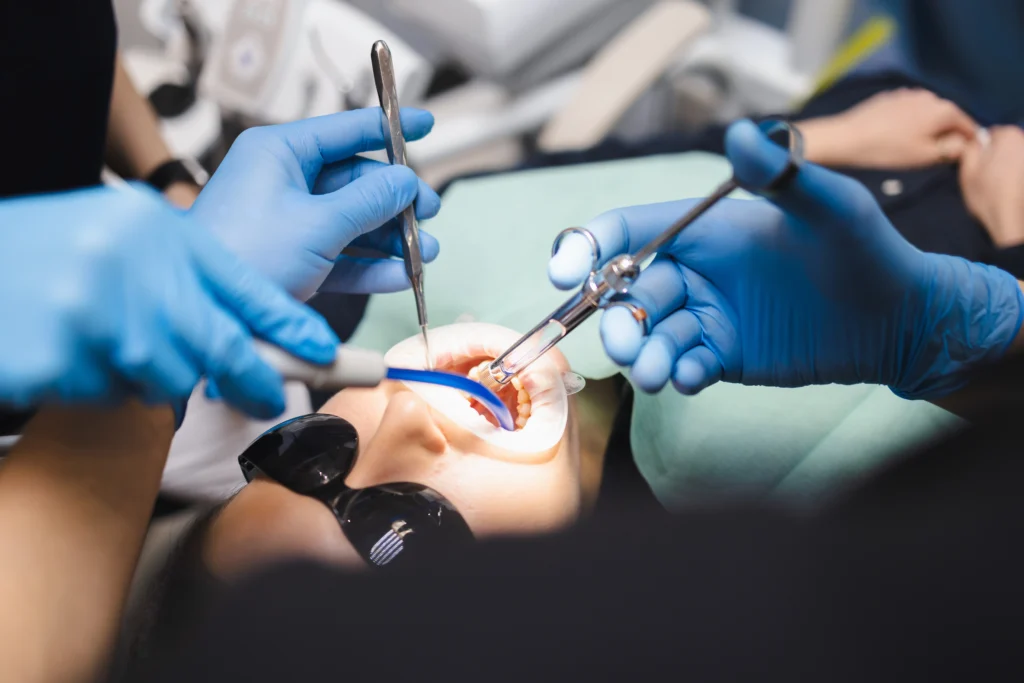
When bacteria in your mouth invades your tooth, the damage can occur at two levels. If the bacteria infiltrates the outer layers of your tooth, a shallow cavity can form causing you to need a tooth filling to remove the decay, clean the tooth and restore it to be as good as new. During this procedure, the dentist removes the damaged section and fills it with a tooth coloured filling material like composite resin to restore the tooth’s function.
However, if the bacteria reaches the innermost layer of the tooth, known as the pulp, a root canal becomes necessary to treat the infection and save the tooth. If you notice a deep cavity, a cracked tooth, or throbbing pain, it is important to seek treatment promptly, as these are common signs that you may need a root canal.
How can I avoid a root canal?
The best way to stay away from root canals is to keep good oral hygiene by brushing and flossing daily as well as having your 6 month checkups so dentists can confirm your teeth are healthy and happy. If you notice plaque or a sticky white film building up along your gumline, it’s a sign that your oral hygiene may need improvement.
What are the symptoms for a root canal?
An infected tooth might not always show symptoms, but it’s quite common for them to still appear. This is what you should look out for:
- Consistent tooth pain when moving your mouth and jaw
- Swollen gums or a jaw that feels tender
- Dicoloured and darkened tooth
- Small pimples or boils oozing pus on your gums
- Tooth loosening up and moving
- Pressure hurting when you eat or touch your tooth
- Pain upon eating or drinking hot foods or drink
- Pain when lying down or going to sleep or changing altitudes (like going up in a plane or going deep sea diving)
If you’re feeling any of these symptoms, it’s crucial you contact your dentist for a check up. Delaying treatment or neglecting it can lead to losing the infected tooth, the infection spreading to other teeth, or even affecting the jawbone.
What happens during a root canal procedure?
If you visit a dentist and they decide a root canal procedure is the best option, here’s what to expect.
Stages of a root canal procedure
Prior to the procedure. For a root canal procedure, dentists typically begin by taking preliminary X-rays to examine the affected area. They will check for sensitivity by applying hot or cold substances and look for signs of swelling in the gums or surrounding bone. Once the evaluation is complete, we schedule an appointment to perform the root canal or it may commence at once.
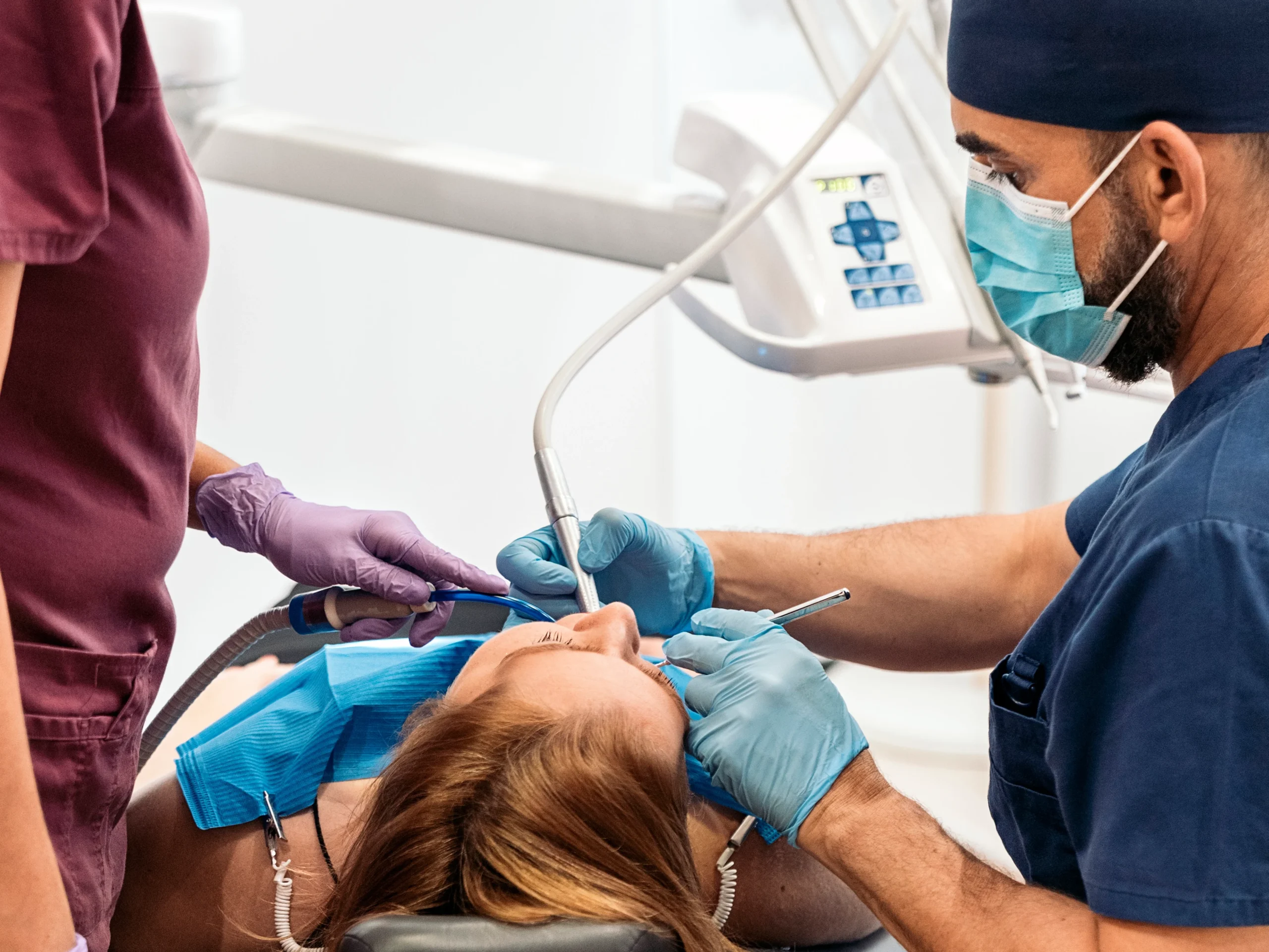
Phase 1. The dentist administers anesthesia to numb the infected tooth and the surrounding gum tissue.
Phase 2. We place a thin piece of rubber, known as a dental dam, over the area to keep it dry
Phase 3. The dentist will begin by drilling a tiny hole into the tooth’s crown so they can reach the tooth pulp. Once far enough in, they will use dental instruments to remove nerves, blood vessels and tissues inside your infected pulp.
Phase 4. Once the pulp is gone, the pulp chamber is disinfected. We then fill the empty area with a flexible, rubbery dental material called gutta-percha. Once the gutta-percha is in place, the dentist typically seals the tooth with a dental filling. Sometimes this phase of treatment occurs over more than one visit if it is a particularly infected tooth.
Phase 5: A dental crown is later placed on the treated tooth to provide additional protection and restore its function. The gutta-percha stays permanently inside the tooth, helping to maintain the tooth’s integrity and prevent future infection.
If the root canal procedure is unsuccessful, the dentist may need to extract the infected tooth and replace it with a dental implant. This implant is designed to look and function like a natural tooth. In most cases, however, the procedure goes smoothly.
Typically, most root canal treatment takes place over 1-3 appointments with each appointment lasting between 30 minutes to an hour. After the appointment, patients are advised to avoid eating or chewing hard foods for a few days as the area may still be a bit tender. Following this, additional appointments will be scheduled for constructing a crown or post-procedure care and maintenance.
Root canal recovery
You may be wondering, how long does it take to recover from a root canal? Usually people feel better within 2-5 days.
For the first few days after treatment, it’s best to:
- Eat soft foods such as mashed potatoes, omelettes, pasta, noodles, rice, soup and yoghurt and smoothies.
- Avoid chewing where the root canal has occurred.
- Take time for yourself to rest and take pain killers such as paracetamol if required.
- Make sure to brush your teeth and floss after every meal.
- Use mouthwash to keep your mouth clean.
Everyone heals at their own speed. If you follow our aftercare instructions closely, your root canal recovery time should go by pretty quickly.
Keep your smile healthy with us
Here at Oakleigh Dental, we are here to support you through your oral health journey. If you’re experiencing any of the root canal symptoms mentioned above or want to book a 6-month check up to have a professional take a look at the state of your teeth, you can click here to book with us. We look forward to helping you!